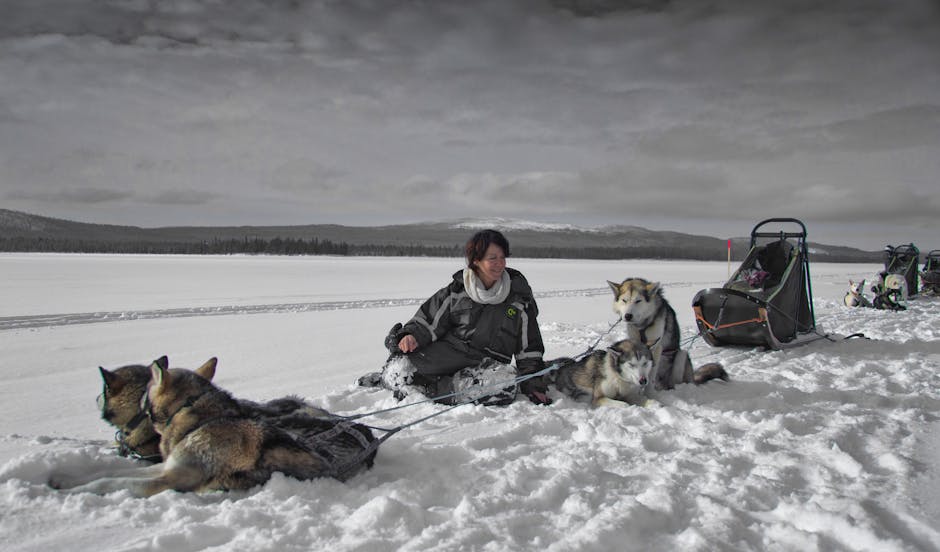
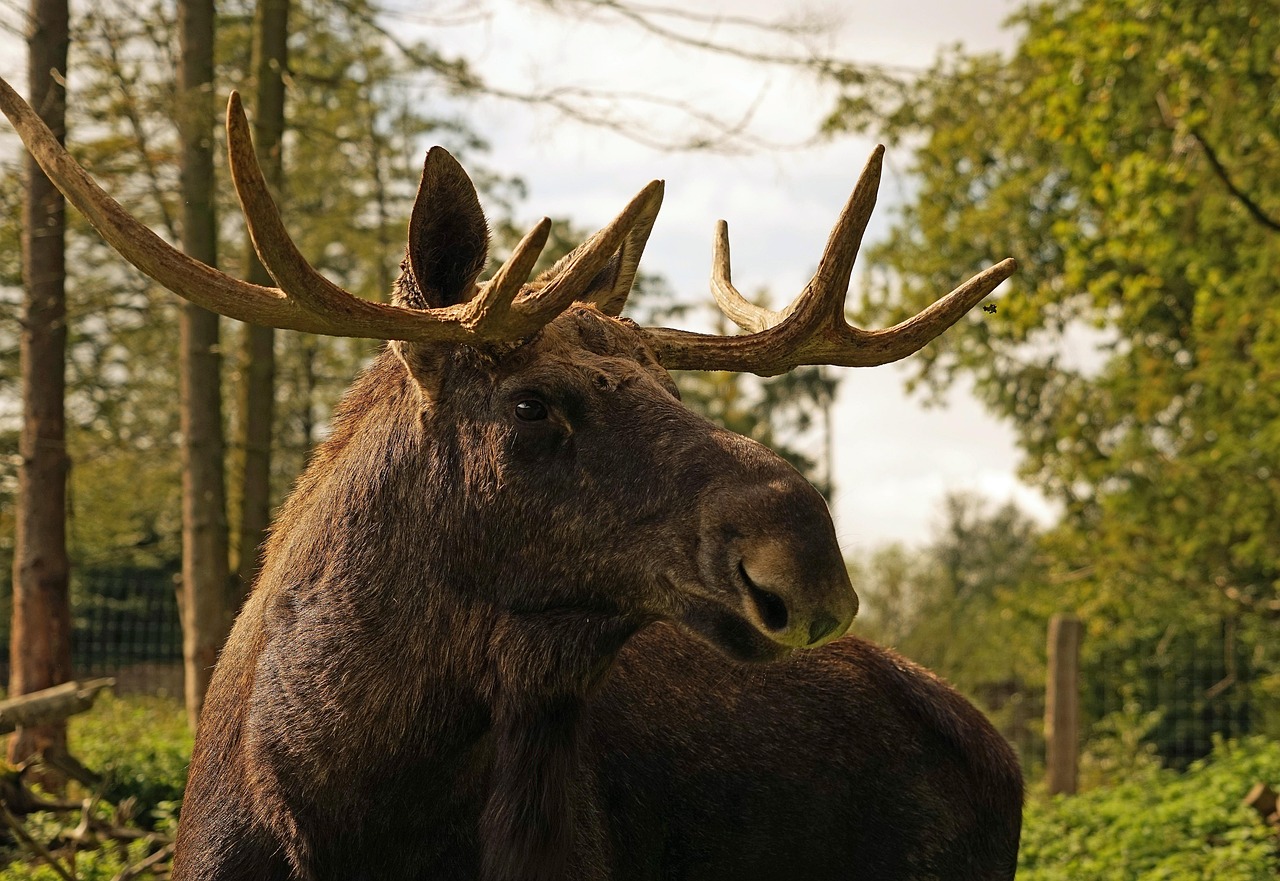
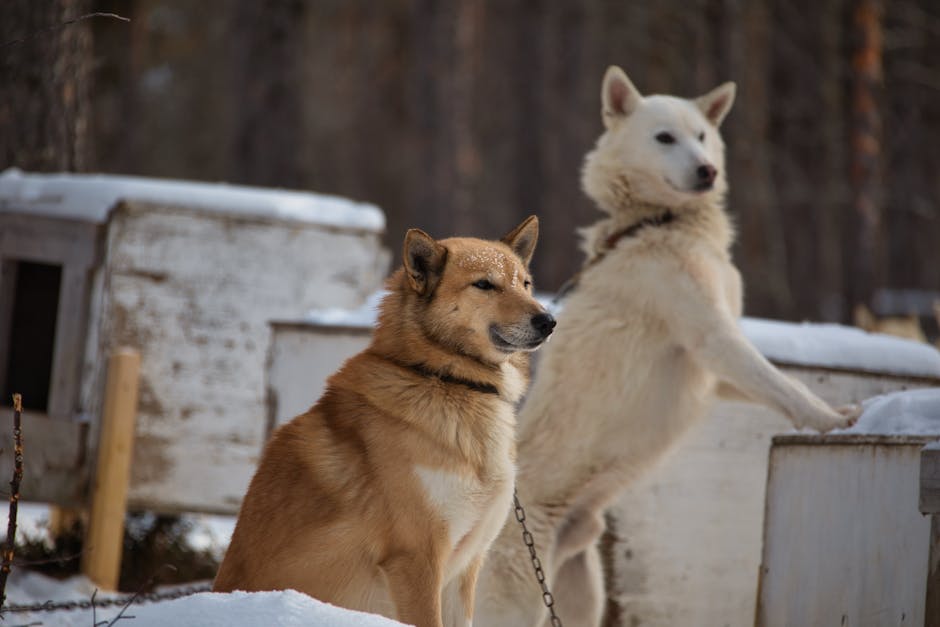
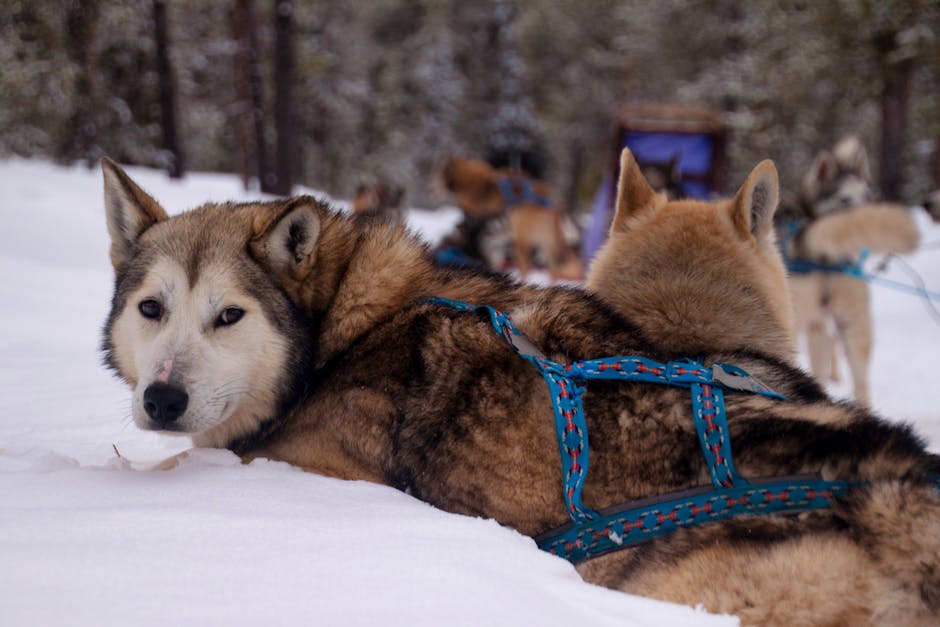
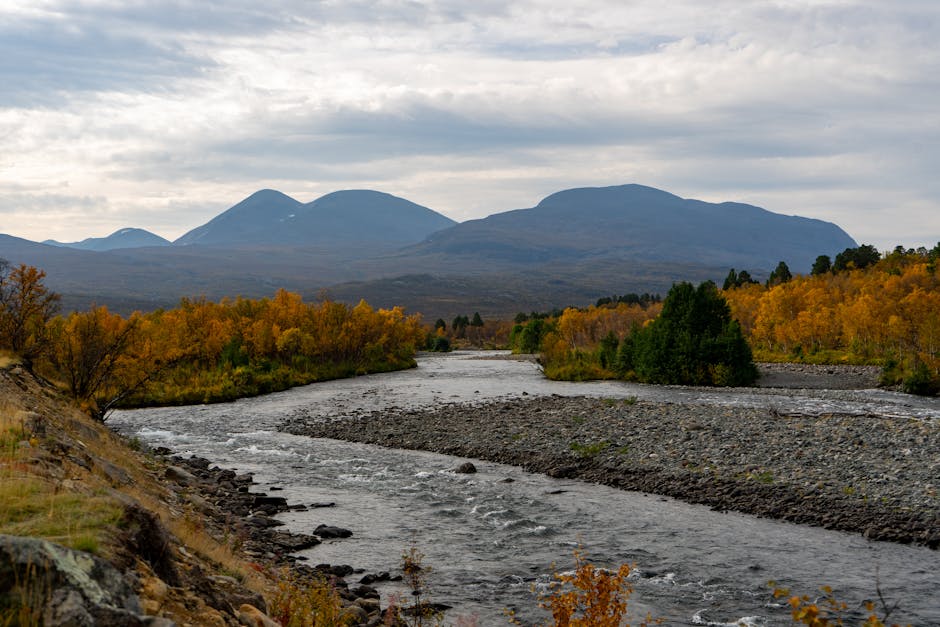
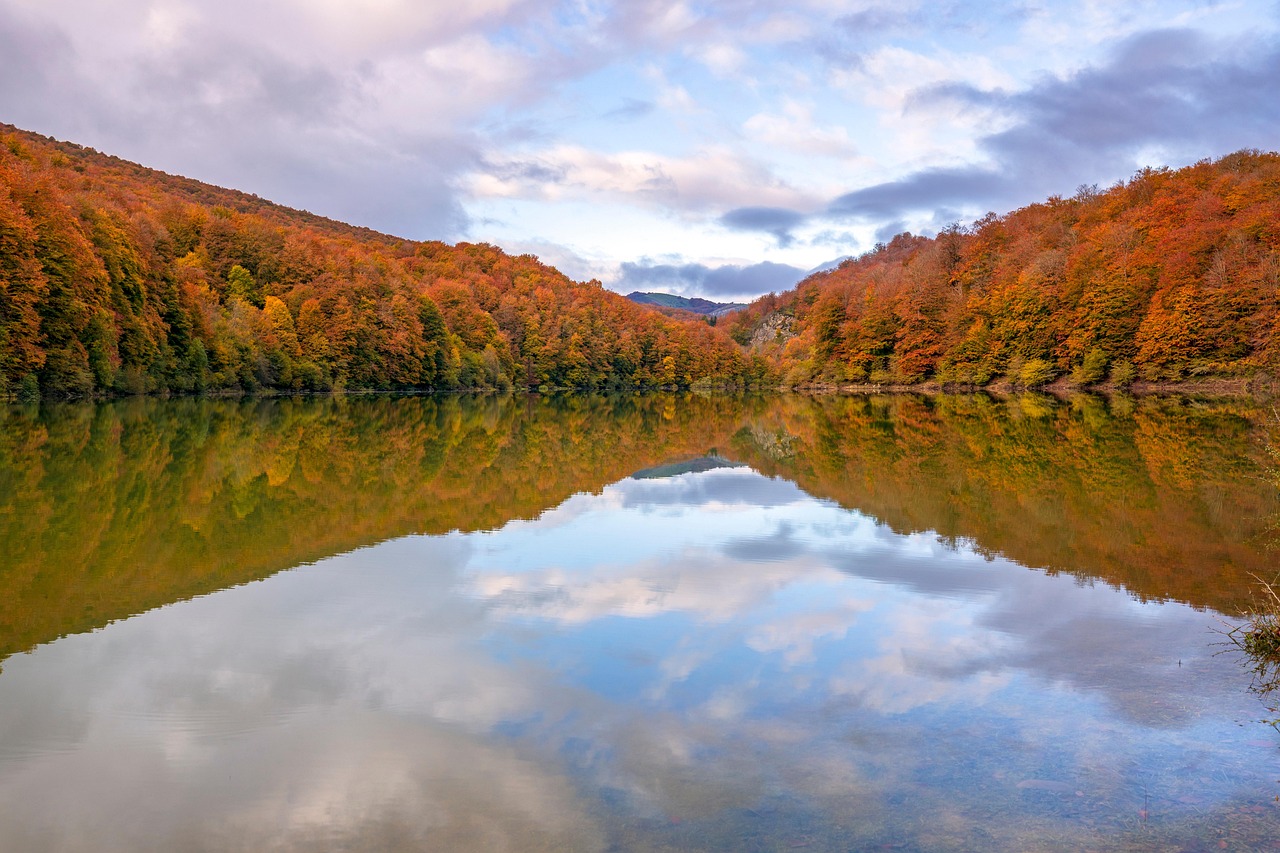
These accounts hold the tempo of our work: quiet departures, long watches, shared repairs, and the practical memory that keeps Sockentrask-Sockenberg legible from one season to the next.
Opening Passage
Morning rarely arrives all at once here. It moves over the marsh in strips of silver, catches on the birch bark, then settles along the ridge where the old routes begin to show themselves again.
That is usually when the stories return. Not as legends told at a distance, but as working instructions carried inside ordinary routines: where to pause in thaw season, which crossing stays firm after rain, who rebuilt the shelter wall after the wind shifted and took the old boards with it.
The jaktlag keeps those stories close because they are useful. Each one ties a person to a place and a season to a decision. Together they form an archive of attention, built from observation rather than spectacle.
Three Episodes
Before First Light
The day starts in low conversation and checked equipment, but the real beginning comes when the group reaches the edge of the open ground and the noise drops away. From there, the pace changes. Small signs matter more than speed, and the older routes begin to organize the morning.
Shared Reading
Many of the strongest stories start as disagreement: one person reading wind, another reading tracks, both testing the ground against memory. That exchange is part of the method. The story becomes reliable only after it has been argued into clarity and carried through the day.
What Gets Written Down
Notes are never treated as decoration. A date beside a weather shift, a route correction, a sketch of thawed ground near the lower line: each record keeps future decisions sharper. The archive grows from these details, not from polished summaries after the fact.
After The Return
Back at the shelter or the vehicles, the stories settle into a second life. They are compared, corrected, and passed on, turning one day in the field into guidance for the next. That handoff is part of the work, and it is why the stories remain collective rather than personal trophies.
Seasonal Notes
Late Winter
Tracks In Hard Snow
Cold mornings compress the ground into something readable. Older members talk about this period as the cleanest time for learning because every crossing, hesitation, and turn sits clearly on the surface. The story of the day becomes visible before anyone says a word.
Spring Thaw
Routes That Refuse Habit
Spring is when old certainty becomes dangerous. Meltwater shifts the footing, margins widen, and familiar passages stop behaving like themselves. The stories from this season are usually warnings, careful reminders that experience matters most when it is willing to adapt.
High Summer
Work Between Growth
Summer stories are full of maintenance: clearing sightlines, checking structures, and walking the edges after long light has changed the feeling of distance. What sounds uneventful from the outside is often the most important work of the year because it preserves the conditions for everything that follows.
Voices From The Work
"A useful story tells you how the weather changed the ground, not just what happened on it."
Freja Johansson
"When we pass something on, we try to leave the next person with better timing, not just better confidence."
Erik Bergqvist
"The quiet stretches are part of the record too. They teach you what no disturbance looks like."
Maja Lund
"A place becomes knowable when enough people care to describe it precisely."
Nils Olofsson
Story Gallery
Why We Keep Them
Local Memory
Stories hold the fine-grained knowledge that maps and schedules tend to flatten. They preserve how a route actually feels under shifting conditions, who observed a change first, and what practical adjustment kept the work safe and useful.
Collective Stewardship
By keeping the archive shared, the jaktlag turns individual recollection into durable common ground. That is what allows younger members to inherit more than anecdotes: they inherit tested judgment rooted in the specific terrain around Kalix.